TSI-002 | TechSenseIndia
Published on: 27 January 2026
electric-vehicles-india-2026
introduction
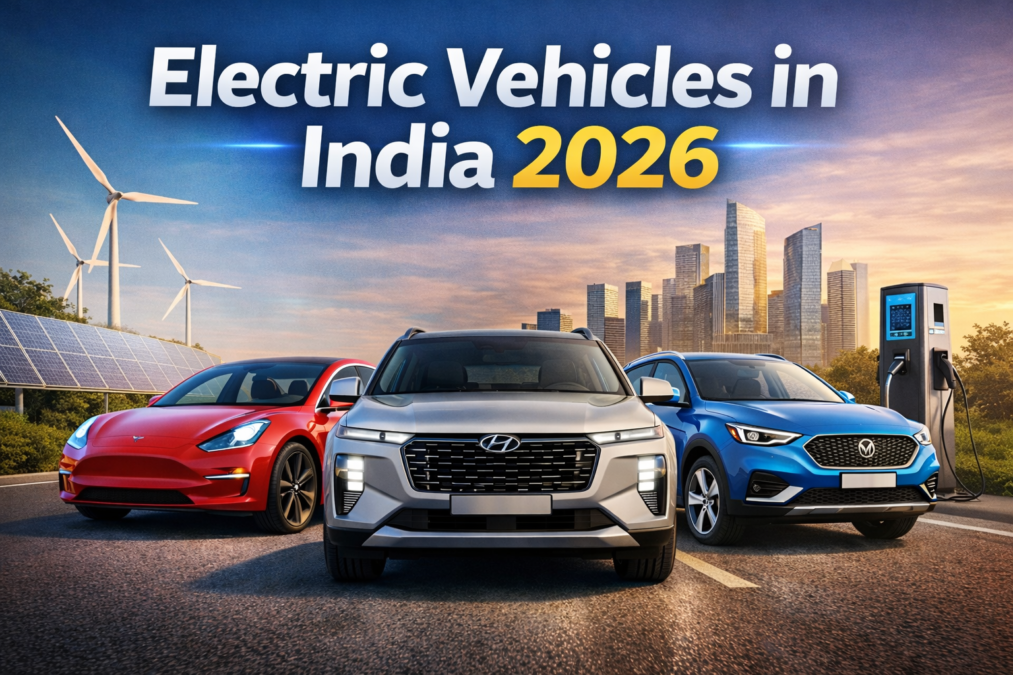
Electric vehicles are shaping the future of transportation in India in 2026. With more EV models available, better battery life, and an expanding charging network, switching to electric is becoming easier for everyday drivers. However, knowing the key trends, costs, and limitations can help you make a smarter buying decision.
Introduction Electric vehicles (EVs) are set to play a major role in India’s mobility future by 2026. With rising fuel costs, growing environmental awareness, and strong government support, EV adoption is accelerating across cities and highways. By 2026, EVs will no longer be a niche option but a mainstream choice for many buyers.
| EV Model | Battery Capacity | Range (km) | Charging Time | Price (INR) | Pros | Cons |
|---|---|---|---|---|---|---|
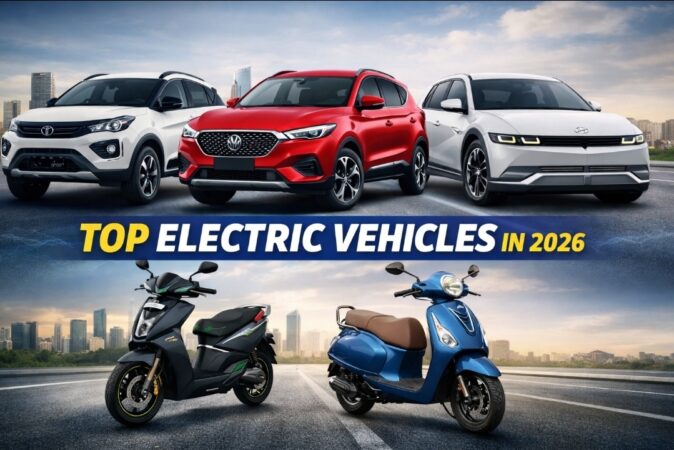
| Tata Nexon EV Max 2026 | 40 kWh | 430 km | Fast: 45 min to 80% | ₹18 – ₹20 Lakh | Compact SUV, Affordable, Reliable | Range moderate, Charging network developing |
| MG ZS EV 2026 | 72 kWh | 480 km | Fast: 35 min to 80% | ₹27 Lakh | Spacious, Long-range, Premium features | Pricey, Limited smaller-town charging |
| Hyundai Creta EV 2026 | 55 kWh | 450 km | Fast: 40 min to 80% | ₹25 Lakh | Urban-friendly, Comfortable, Feature-rich | Price slightly high, Charger network limited |
| Mahindra XUV EV 2026 | 70 kWh | 500 km | Fast: 40 min to 80% | ₹28 Lakh | Spacious, Long-range, Brand trust | Heavy, Requires robust charging |
| Ather 450X Gen 3 | 3.7 kWh | 125 km | Fast: 60 min to 80% | ₹1.50 Lakh | Smart scooter, Good handling, Quick charging | Shorter range, Urban use only |
Growing EV Market in IndiaIndia’s EV market is expected to grow rapidly over the next few years. Major automobile manufacturers are investing heavily in electric cars, scooters, and commercial vehicles. By 2026, almost every leading brand is expected to offer multiple EV models across different price segments.This growth is driven by improved battery technology, better range, and increased consumer confidence in electric mobility.
Battery Technology and Range Improvements One of the biggest changes expected by 2026 is battery efficiency. Newer battery chemistries will offer:Longer driving range per charge Faster charging times Better durability and safetyMany EVs in 2026 are expected to offer real-world ranges between 400 to 600 km, making them suitable for daily use as well as long-distance travel.
Charging Infrastructure Expansion Charging infrastructure is improving steadily across India. By 2026:Fast-charging stations will be more common in cities Highways will have dedicated EV charging points Home and workplace charging solutions will be widely adopted This expansion will significantly reduce range anxiety, which is currently one of the biggest concerns for EV buyers.
Cost and Ownership Benefits Although the initial cost of EVs may still be slightly higher than petrol vehicles, the total cost of ownership is expected to be much lower. EVs have: Lower running costs Minimal maintenance requirements Fewer mechanical parts With government incentives and falling battery prices, EVs in 2026 will be more affordable than ever.
Environmental Impact Electric vehicles help reduce air pollution and carbon emissions. As India moves towards cleaner energy sources, EVs will contribute significantly to a greener and more sustainable future. This environmental benefit is one of the strongest reasons behind the push for electric mobility.
Conclusion By 2026, electric vehicles in India will be practical, reliable, and widely accepted. Improved technology, better infrastructure, and cost advantages will make EVs a smart choice for both new and experienced buyers. For anyone planning a vehicle purchase in the coming years, EVs are definitely worth serious consideration.
Pros
Lower running costs compared to petrol and diesel vehicles
Reduced maintenance due to fewer moving parts
Environmentally friendly with zero tailpipe emissions
Government incentives and subsidies in many statesQuiet, smooth, and comfortable driving experience
Cons
Higher initial purchase priceLimited charging infrastructure in some areas
Battery replacement can be costly after years of useLonger charging time compared to refueling traditional vehicles
Who Should Buy an EV in 2026?
EVs are best for city commuters, daily drivers, and environmentally conscious users. Those with access to home charging or predictable short-distance travel will benefit the most. EVs also suit users looking to save on fuel and maintenance costs over time.
Check latest price and offers on Amazon
Final Verdict
Electric vehicles in India in 2026 present a strong case for long-term savings, sustainability, and convenience. While upfront costs and charging logistics remain considerations, for the right users, EVs are a smart and future-ready choice
Disclaimer The information provided in this article is for general informational purposes only. Specifications, prices, and features may vary based on manufacturer updates and market conditions.
For brand collaborations, product reviews, and partnerships:📩 Email: Sathish@techsenseindia.in

Sathish G is a retail and consumer electronics professional with hands-on experience in audio and large format retail operations. He writes about gadgets, EV updates, and audio products with a focus on practical buying guidance and real-world usability.