TSI-009 | TechSenseIndia
Published Date : January 29 2026
smartphone-buying-guide-2026
Introduction
Buying a new smartphone in 2026 is more confusing than ever. Every brand claims to offer the best camera, the fastest processor, and the longest battery life. With dozens of models launching every month, it’s easy to get attracted to features you may never actually use.
Many buyers end up spending more than necessary, either because of brand hype or because they choose a phone based only on specifications. The reality is simple — the best smartphone for you is the one that matches your daily usage, not the most expensive one.
This guide will help you understand what really matters when buying a phone in 2026 so you can make a smart decision without overpaying.
| Category | Price Range (INR) | Recommended Use | Key Features | Pros | Cons |
|---|---|---|---|---|---|
| Budget | ₹8,000 – ₹15,000 | Daily use, Social media, Basic apps | Decent camera, 4–6GB RAM, HD+ display | Affordable, Sufficient for basic needs | Limited performance, Average camera |
| Mid-range | ₹15,000 – ₹35,000 | Gaming, Photography, Multitasking | FHD+ OLED, 6–8GB RAM, 50–108MP camera | Balanced performance, Good battery, Better camera | Not as premium as flagship, Moderate updates |
| Premium | ₹35,000 – ₹60,000 | Photography, Video editing, Power users | High-refresh OLED, 8–12GB RAM, OIS camera | Excellent performance, Premium design, Long-term updates | Expensive, Overkill for basic users |
| Flagship | ₹60,000+ | Power users, Early adopters, Gaming enthusiasts | Top-tier processor, 12–16GB RAM, Multiple cameras, 120Hz+ | Cutting-edge tech, Premium build, Long software support | Very expensive, May have niche features not everyone uses |
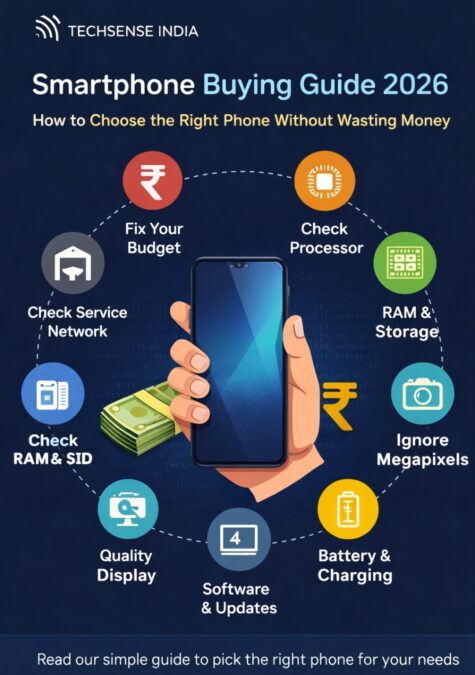
Step 1: Decide Your Budget First
Before looking at features, fix your budget. This helps you avoid unnecessary upgrades.
Budget categories in India (2026):
- Under ₹15,000 – Basic usage (calls, WhatsApp, light apps)
- ₹15,000 – ₹25,000 – Good all-round performance
- ₹25,000 – ₹40,000 – Premium features for most users
- Above ₹40,000 – Flagship experience
Once your budget is clear, compare phones only within that range.
Step 2: Choose the Right Processor
The processor decides how smooth your phone feels.
For everyday users:
Mid-range chips like Snapdragon 6/7 series or Dimensity 700–800 series are enough.
For heavy users or gamers:
Look for Snapdragon 8 series or Dimensity 9000 series.
Avoid paying extra for flagship processors if you only use basic apps.
Step 3: Don’t Overpay for Camera Numbers
Many phones advertise 108MP or multiple lenses, but more megapixels don’t always mean better photos.
Focus on:
- Main camera quality
- Night performance
- Video stabilization
For most users, a good 50MP main camera is more than enough.
Step 4: Battery and Charging Matter More Than You Think
Look for:
- 5000mAh battery for full-day usage
- Fast charging (30W or higher)
- Battery optimization features
Avoid ultra-fast charging if battery health is your long-term priority.
Step 5: Display Quality
For a smooth experience:
- AMOLED display (preferred)
- 120Hz refresh rate (for smoother scrolling)
- Full HD+ resolution
If you watch videos or use social media a lot, display quality makes a big difference.
Step 6: Storage and RAM
In 2026, the minimum recommended configuration is:
- 6GB RAM for basic users
- 8GB RAM for smooth long-term usage
- 128GB storage (avoid 64GB if possible)
Phones without expandable storage should always be bought with higher internal storage.
Step 7: Software and Updates
A good phone should last at least 2–3 years.
Check for:
- Android version and update promise
- Clean UI without heavy ads
- Regular security updates
Brands like Samsung, Google, and some others now offer longer software support.
| Feature | Budget Phone | Mid-Range Phone | Flagship |
|---|---|---|---|
| Price | Under ₹15K | ₹15K–40K | ₹40K+ |
| Processor | Basic | Balanced | High-End |
| Camera | Good | Very Good | Excellent |
| Best For | Light users | Most users | Power users |
Pros of Buying Smart
- Save money by avoiding unnecessary features
- Better long-term performance
- Less regret after purchase
- Phone matches your real usage
Cons of Overspending
- Paying for features you never use
- Higher depreciation value
- No real difference in daily experience
Who Should Use This Approach
This guide is especially useful if you:
- Upgrade your phone every 2–3 years
- Want value for money
- Feel confused by too many options
- Don’t want to overspend on brand hype
If you always want the latest flagship regardless of price, this approach may not matter much.
Final Verdict
In 2026, smartphones across different price ranges have become powerful enough for most users. The real mistake buyers make is choosing a phone based on marketing or specifications instead of their actual needs.
Set your budget first, focus on core features like processor, battery, display, and software support, and avoid paying extra for numbers that don’t improve your daily experience.
A smart choice is not about buying the most expensive phone — it’s about buying the right one for the way you use it.
Check latest price and offers on Amazon
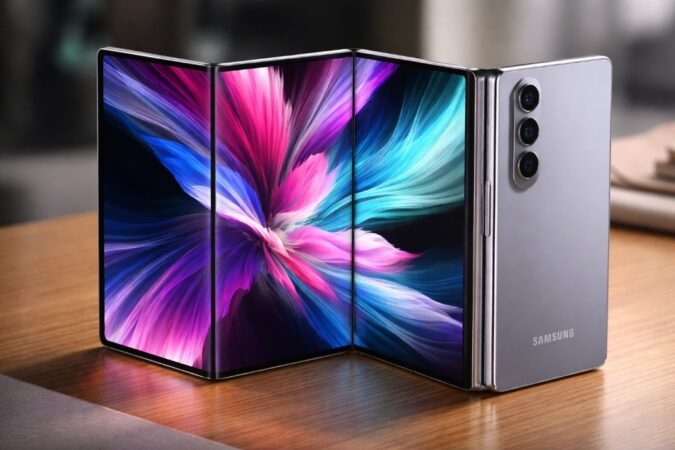
Samsung Trifold
For collaborations or official enquiries: 📩 Sathish@techsenseindia.in

Sathish G is a retail and consumer electronics professional with hands-on experience in audio and large format retail operations. He writes about gadgets, EV updates, and audio products with a focus on practical buying guidance and real-world usability.