TSI-049 | TechSenseIndia
Published Date: March 16, 2026
TechSenseIndia Post #049
ev-buying-guide-india-2026
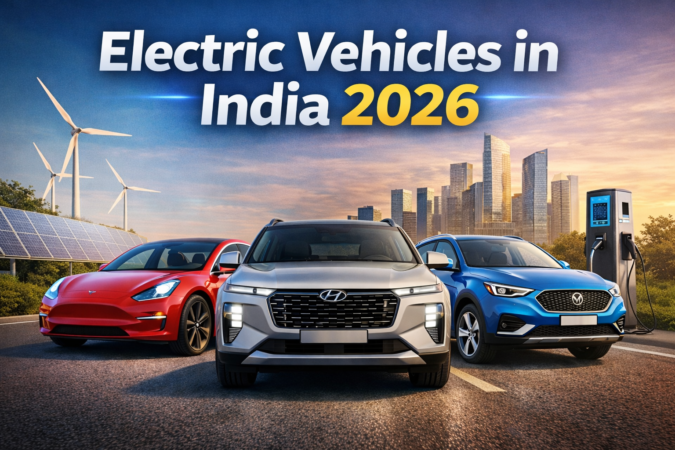
Electric Vehicles in India 2026:
Why EVs Are Becoming Popular
Include a short paragraph about rising fuel prices, government incentives, and the growth of EV infrastructure in India. Highlight how first-time buyers now have more options than ever and why switching to EVs is a smart long-term choice.
Introduction
Electric vehicles are no longer a future concept in India. In 2026, EVs are a realistic option for daily commuting, city use, and even short highway trips.
But many buyers still feel unsure because of charging anxiety, battery life concerns, and resale value doubts.
This guide focuses on real ownership questions, not hype.—
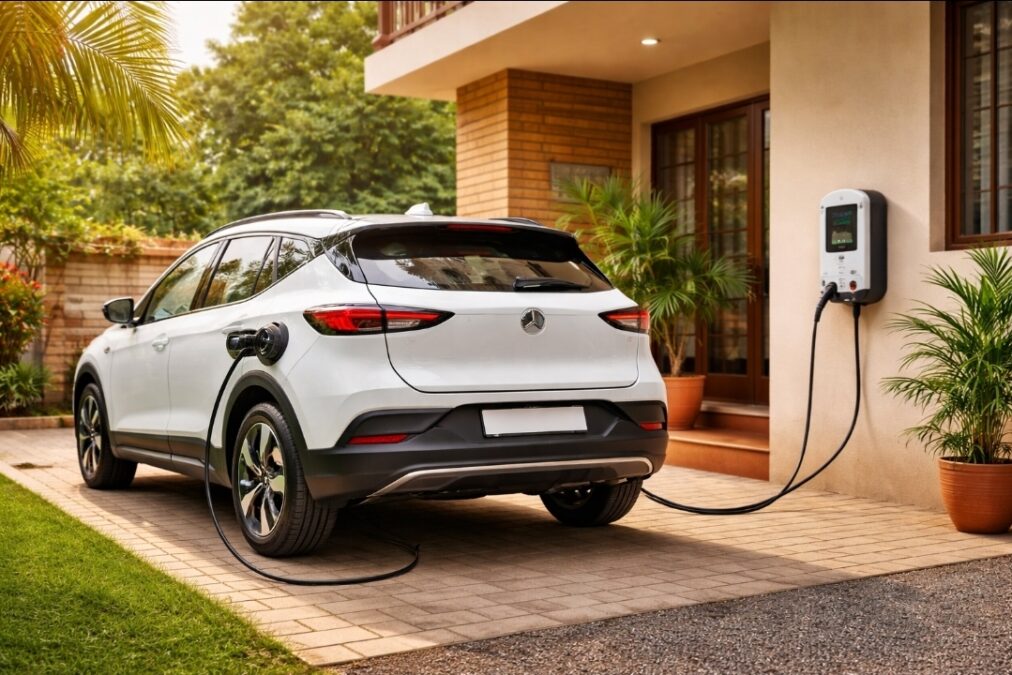
Explain home charging setups, costs, and time required. Include tips for installing chargers safely. Then detail public charging networks, fast chargers, and apps that show available stations. Include range planning tips for new buyers.
What to Expect Day-to-Day
Talk about differences from ICE vehicles: smoother acceleration, regenerative braking, maintenance savings, and how weather or terrain can affect range. Provide tips on tire choices, software updates, and warranty coverage.
Step 1: Understand Your Daily Driving Pattern
Before looking at models, understand how you drive.Ask yourself:
Daily distance covered
City vs highway usage
Parking availability (home or office)
If your daily driving is under 60–80 km, most EVs sold today are more than sufficient.—
Step 2: Real-World Range vs Claimed Range
EV range numbers are often misunderstood.
Claimed range is tested under ideal conditions
Real-world range is usually 20–30% lower
For stress-free ownership:
Choose an EV with at least 30–40% more range than your daily requirement
This buffer reduces charging anxiety.—
Step 3: Charging Options That Actually Matter
Charging is simpler than it looks.Home Charging
Slow charging overnight is enough for most users7–8 hours = full charge
Public Charging
Fast chargers are increasing in cities and highways
Best used as a backup, not daily dependency
If you have a fixed parking spot with a power connection, EV ownership becomes very easy.—
Step 4: Battery Life & Warranty Reality
Modern EV batteries are designed to last.
What to check:
Battery warranty (usually 8 years or 1.6 lakh km)
Thermal management system
Battery degradation is slow if fast charging is not overused.—
Step 5: Running Cost vs Petrol/Diesel
This is where EVs win.
Charging cost per km is significantly lower
Fewer moving parts mean lower maintenance
No oil changes, fewer service visits
For city users, long-term savings are real.—
Step 6: EV Myths You Can Ignore in 2026
“EV batteries fail in 2 years” – False“
Charging stations are impossible to find” – Improving rapidly“
EVs are only for tech enthusiasts” – No longer true–
Pros
Environmentally Friendly: Zero-emission vehicles help reduce carbon footprint.
Lower Running Costs: Electricity is cheaper than petrol/diesel, plus minimal maintenance.
Government Incentives: Subsidies and tax benefits make EVs more affordable.
Modern Features: EVs often come with advanced infotainment, safety, and connectivity.
Smooth Driving Experience: Silent operation and instant torque for a comfortable ride.
Cons
Charging Infrastructure: Still developing in some cities and towns.
Range Anxiety: Limited range compared to petrol vehicles may concern long-distance travelers.
Higher Initial Cost: EVs can have higher upfront prices than conventional vehicles.
Resale Value Uncertainty: EV market is growing, but resale trends are still stabilizing
Who Should Buy an EV in 2026
- Budgeting for upfront cost vs savings on fuel
- Assessing driving range based on daily commute
- Checking warranty and battery replacement policies
- Evaluating after-sales support in their city
Daily city commuters
Office-goers with predictable travel
Families with a second car requirement
Users planning long-term ownership
Who Should Wait
Frequent long-distance highway travelers
Users without charging access—
Final VerdictIn 2026, EVs make sense for the right user.
If your usage matches the strengths of electric mobility, an EV can be quieter, cheaper to run, and easier to live with than a petrol car.
The key is honest assessment not brochure promises.
Check latest price and offers on Amazon
Final Verdict
For first-time buyers, understanding your driving habits, budget, and charging options is key. EVs in India 2026 are increasingly practical, with multiple models, ranges, and features that cater to different needs. With government incentives and better infrastructure, now is a good time to consider switching to electric.
Summarize why planning, research, and understanding EV specifics make a difference for first-time owners. Encourage readers to test drive multiple models before committing.
For collaborations or official enquiries: 📩 Sathish@techsenseindia.in
i

Sathish G is a retail and consumer electronics professional with hands-on experience in audio and large format retail operations. He writes about gadgets, EV updates, and audio products with a focus on practical buying guidance and real-world usability.