TSI-038 | TechSenseIndia
Published on: February 24 2026
120w-fast-charging-2026
Introduction
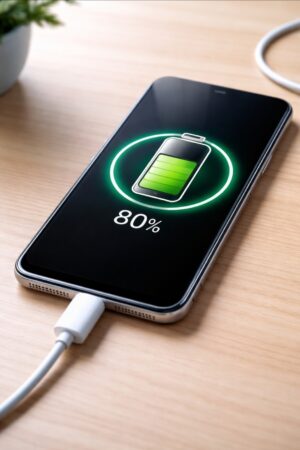
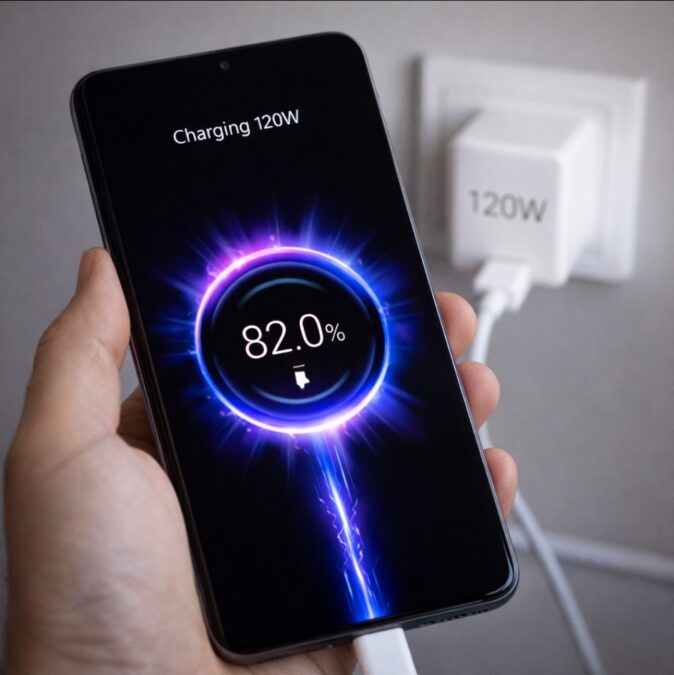
Ultra-fast charging has become a major selling point for smartphones in 2026. Brands now advertise 80W, 100W, and even 120W charging speeds that can power a phone in minutes. While this sounds impressive, the real question is whether such high-speed charging is actually necessary for everyday use. Here’s a practical look at who really benefits from 120W charging and when it might not matter.
why software updates matter more than smartphone specs
Fast charging has become one of the biggest selling points in smartphones. Brands now promise 80W, 100W, even 120W charging speeds that can fill your battery in minutes. It sounds impressive, but do you actually need it in daily life?
Let’s break it down honestly.
| Charging Speed | Phone Battery Size | Time to 50% | Time to 100% | Pros | Cons |
|---|---|---|---|---|---|
| 30W | 4000mAh | 25 mins | 70 mins | Safer for battery, widely available | Slower than ultra-fast chargers |
| 65W | 4000mAh | 15 mins | 40 mins | Faster charging, good for daily use | Generates more heat |
| 120W | 4000mAh | 10 mins | 25 mins | Ultra-fast, convenient for emergencies | May reduce long-term battery health, limited availability |
| 150W+ | 4000mAh | 8 mins | 20 mins | Fastest charging, cutting-edge tech | Expensive, not widely supported, battery wear risk |
Fast charging sounds faster than it feels
In real usage, the difference between 33W, 65W, and 120W is not as dramatic as marketing suggests. The fastest speeds usually work only from 0 to about 50 percent. After that, charging slows down to protect the battery.
For most users, a phone that charges fully in 45 to 60 minutes already feels fast enough.
Heat is the real enemy
Ultra-fast charging generates more heat. Even with cooling systems, repeated exposure to high temperatures affects battery health over time.
This doesn’t mean your battery will fail immediately, but long-term capacity drop is faster compared to moderate charging speeds.
Battery lifespan matters more than speed
Most people keep their phones for 2 to 3 years. During this period, battery degradation becomes noticeable.
best smartphones under ₹25,000 in India
Phones with balanced charging speeds and good thermal management usually maintain better battery health than phones that constantly push extreme wattages.
Where fast charging actually helps
Fast charging is useful if:
- You travel frequently
- You forget to charge overnight
- You rely heavily on your phone for work
In these cases, even a 10–15 minute top-up can make a big difference.
What’s the sweet spot?
For most users, 33W to 67W charging is the best balance. It’s fast enough for daily use, generates less heat, and is easier on the battery over time.
Anything beyond that is more about branding than real-world benefit.
What to check before buying
Instead of only looking at charging wattage, check:
- Battery capacity
- Charging speed consistency
- Heat control during charging
- Long-term battery reviews
A slightly slower but stable charging phone is often the smarter choice.
Who Should Consider 120W Charging
Users with heavy daily smartphone usage
People who travel frequently and need quick top-ups
Gamers and content creators who drain battery quickly
Users who often forget to charge overnight
Professionals who rely heavily on their phone throughout the day
Who Doesn’t Need It
Users with moderate or light daily usage
People who charge their phone overnight regularly
Users who keep their phone for 3–4 years and prioritize battery health
Anyone comfortable with standard 25W–45W charging speeds
solid-state batteries explained
Pros of 120W Fast Charging
Charges the phone in a very short time
Convenient for busy schedules
Useful for quick emergency top-ups
Reduces charging anxiety during the day
Ideal for power users
Cons of 120W Fast Charging
Generates more heat compared to slower charging
May affect long-term battery health if used constantly
Requires compatible charger and cable
Not all phones support such high speeds
Real-world charging speed may be limited by battery protection systems
Check latest price and offers on Amazon
Final takeaway
Ultra-fast charging looks exciting on paper, but it’s not a necessity for everyone. Reliability, battery health, and long-term comfort matter more than charging from zero to full in record time.
Choose balance over hype. Your battery will thank you later.
For collaborations or official enquiries: 📩 Sathish@techsenseindia.in

Sathish G is a retail and consumer electronics professional with hands-on experience in audio and large format retail operations. He writes about gadgets, EV updates, and audio products with a focus on practical buying guidance and real-world usability.