TSI-019 | TechSenseIndia
Published Date 7 February: 2026
solid-state-batteries-evs-india
Introduction
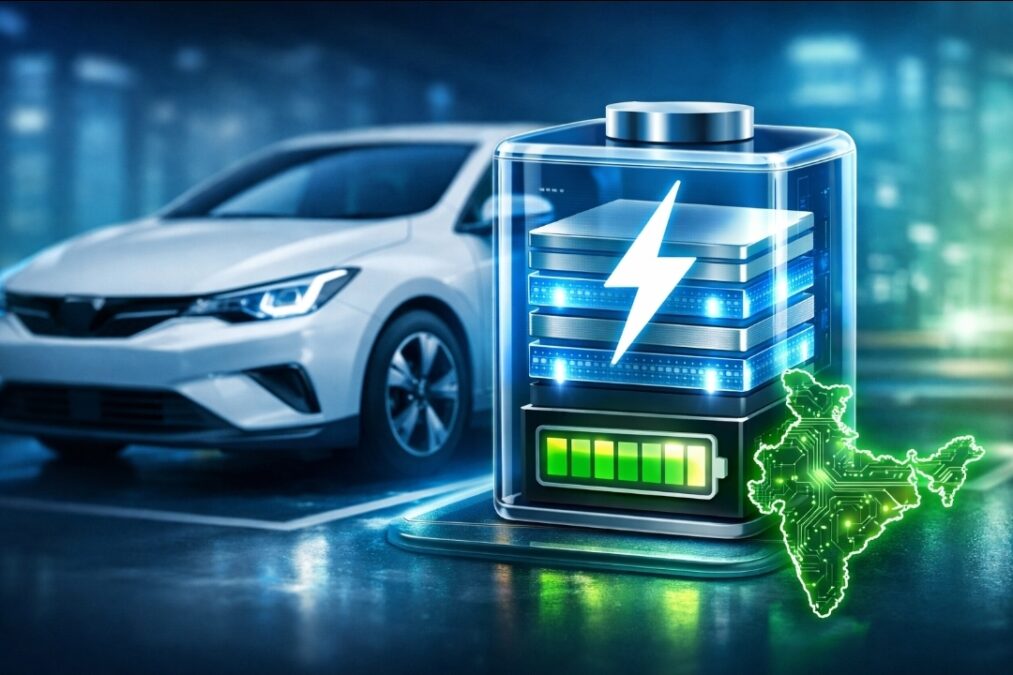
Electric vehicles are becoming more popular in India, but battery technology has remained a major limitation—range, charging speed, and safety are the biggest concerns for buyers. Solid-state batteries (SSBs) promise to change this completely. Unlike traditional lithium-ion batteries, solid-state batteries use a solid electrolyte instead of a liquid one, allowing higher energy density, faster charging, and improved safety.
Solid-State Batteries Explained: Why They’re the Future of Smartphones
For Indian EV buyers, this could mean vehicles that travel longer distances on a single charge, charge in a fraction of the time, and last longer without degrading. In a market where charging infrastructure is still growing, these improvements could be the tipping point for mass adoption
| EV Model | Battery Type | Range (km) | Charging Time | Price (INR) | Pros | Cons |
|---|---|---|---|---|---|---|
| Tesla Model 3 (Next Gen) | Solid-State | 550 | 30 min (fast charge) | ₹55,00,000 | Long range, Faster charging, Safer | High cost, Limited availability in India |
| Mahindra eXUV 500 | Lithium-Ion | 400 | 60–70 min (fast charge) | ₹25,00,000 | Affordable, Widely available | Shorter range, Slower charging |
| Future Ola EV (Concept) | Solid-State | 450 | 35 min | ₹18,00,000 | Moderate price, Advanced battery tech | Concept stage, Limited production |
| Tata Nexon EV Max | Lithium-Ion | 450 | 60 min (fast charge) | ₹17,50,000 | Popular, Reliable, Affordable | Slower charging, Battery degradation over time |
| Upcoming Ather EV | Solid-State (Future) | 300–350 | 25–30 min | ₹2,50,000–₹3,00,000 | Faster charging, Better safety | Not yet commercially available |
How Solid-State Batteries Work
Solid Electrolyte: Replaces the liquid or gel used in conventional batteries, reducing risks of leakage or fire.Higher
Energy Density: Packs more energy in the same space, meaning longer range for EVs without increasing battery size.
Faster Charging: Solid-state technology allows quicker ion movement, which reduces charging time.
Durability: Less degradation over time, giving batteries a longer lifespan.
Many global EV manufacturers are investing heavily in solid-state technology, and Indian EV makers like Tata Motors and Mahindra are exploring ways to adopt these batteries in upcoming models.
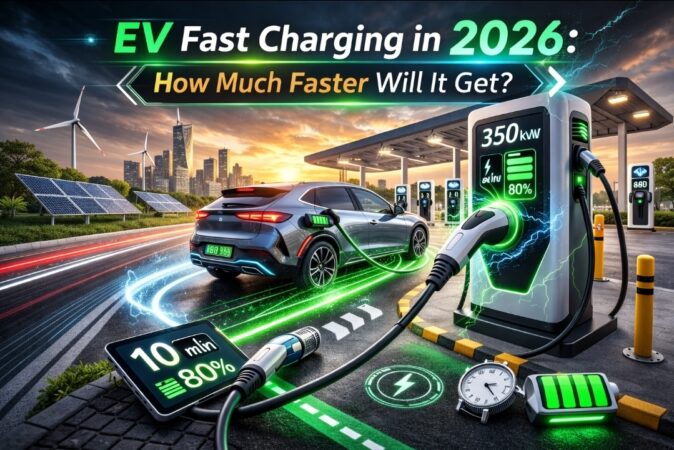
EV Fast Charging in 2026: How Much Faster Will It Get?
For Indian EV users, this could mean faster charging, higher range, and fewer battery replacements. Companies are already testing prototypes, and experts predict mainstream adoption within the next 2–3 years.
Even if you don’t plan to buy an EV this year, keeping an eye on solid-state technology now can help you choose smarter vehicles in the future.
Pros
Higher energy density → longer driving range
Faster charging capabilities
Safer and less prone to overheating
Longer lifespan than conventional EV batteries
Potential to reduce overall battery size and vehicle weight
Cons
Currently expensive to manufacture
Limited commercial availability in India (2026)
Early adoption may face compatibility issues with existing EV modelsWho Should Buy
EV enthusiasts looking for cutting-edge technology
Consumers planning to invest in EVs in the next few years
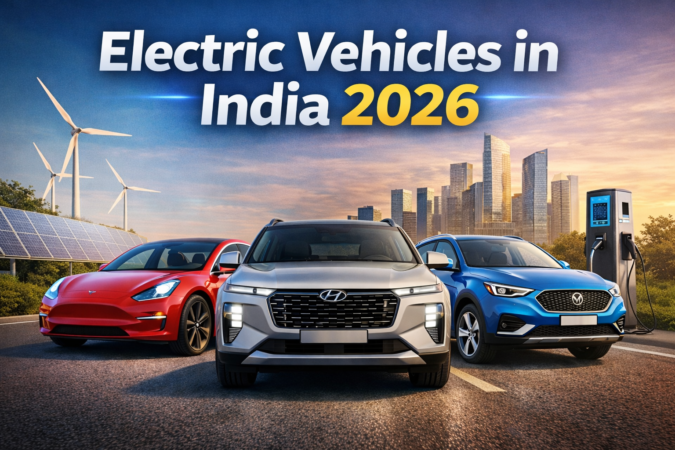
Electric Vehicles in India 2026: What to Expect
Urban and intercity drivers concerned about range and charging efficiency
Final Verdict
Solid-state batteries have the potential to transform India’s EV market by improving range, safety, and charging speed. While mass adoption is still in progress, EV buyers should keep an eye on vehicles using this technology, as it represents the future of efficient and reliable electric mobility in India.
For collaborations or official enquiries: 📩 Sathish@techsenseindia.in

Sathish G is a retail and consumer electronics professional with hands-on experience in audio and large format retail operations. He writes about gadgets, EV updates, and audio products with a focus on practical buying guidance and real-world usability.