TSI-023 | TechSenseIndia
Published on: 10 February 2026
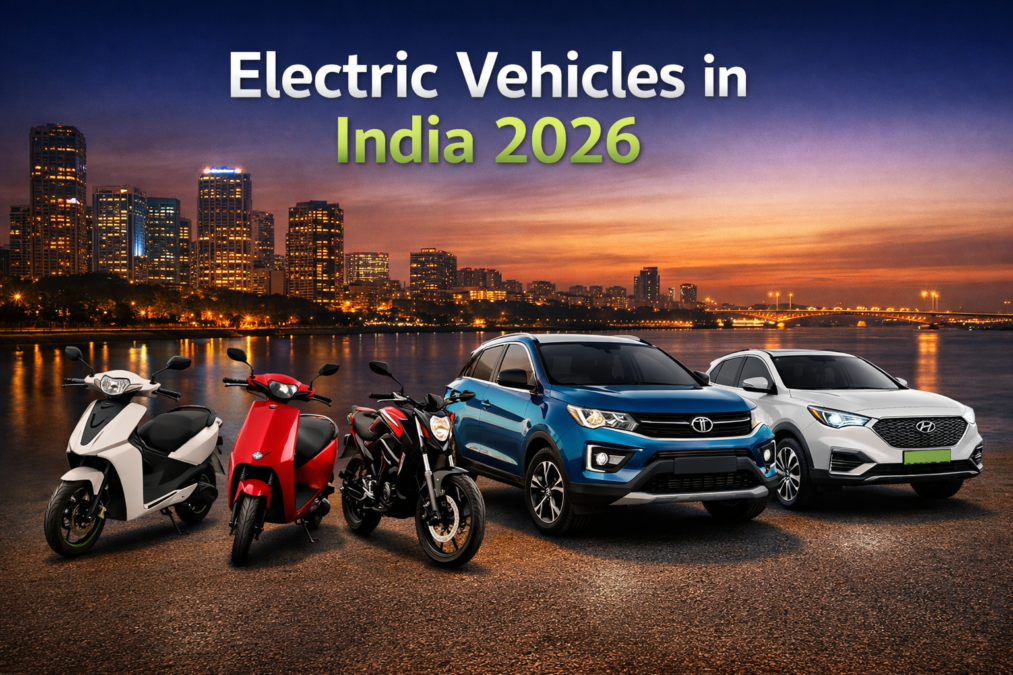
Electric Vehicles in India 2026 – Top scooters, bikes, and cars shaping the future of mobility.
complete-guide-electric-vehicles-india-2026
Introduction: The EV Revolution in India
Electric Vehicles (EVs) are rapidly transforming India’s transportation landscape. With rising fuel prices, government incentives, and improved technology, EVs are now a practical choice for commuters, families, and businesses alike. In 2026, India is witnessing a surge in electric scooters, bikes, and cars, driven by environmental concerns and the push for sustainable mobility.
This guide covers everything you need to know about EVs in India—from different types and popular brands to charging infrastructure, battery maintenance, government policies, and what the future holds. By the end of this post, you’ll understand why EVs are the future of transportation in India.
| EV Type | Best For | Typical Range | Charging Time | Popular Examples |
|---|---|---|---|---|
| Electric Scooters | Daily city commuting | 80–150 km | 4–6 hours | Ola S1, Ather 450X, TVS iQube |
| Electric Motorcycles | Performance + daily use | 120–200 km | 5–7 hours | Ultraviolette F77, Revolt RV400 |
| Electric Cars | Family and long-distance travel | 250–500 km | 6–10 hours (home), 40–60 mins (fast charge) | Tata Nexon EV, MG ZS EV, Mahindra XUV400 |
| Commercial EVs | Fleet, delivery, ride-sharing | 120–300 km | Fast charging supported | Tata Ace EV, Mahindra Treo |
Types of Electric Vehicles in India
Electric Scooters
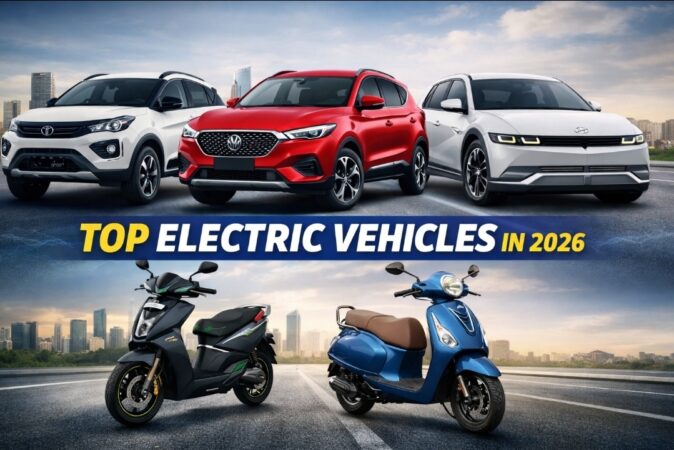
Electric scooters are the most popular EV segment in India. Compact, lightweight, and affordable, they are ideal for city commuting. Top models include:
- Ather 450X
- Ola S1
- Bajaj Chetak Electric
electric vehicles in India 2026
Electric Bikes
For longer rides and higher speed, electric bikes are gaining traction. They combine performance with zero-emission mobility. Examples:
- Revolt RV400
- Hero Electric Photon
Electric Cars
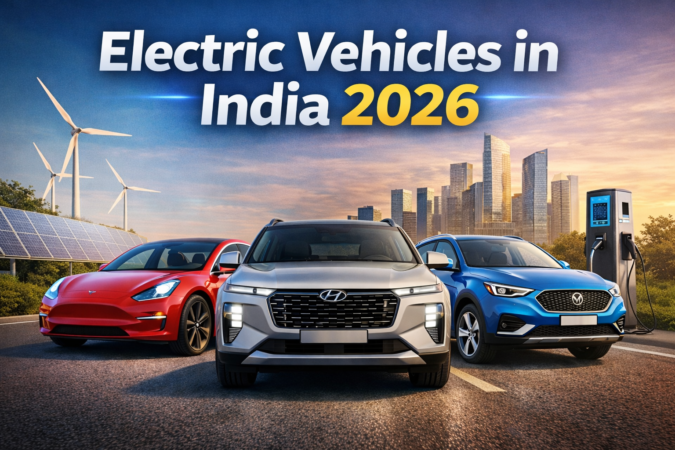
EV cars are becoming increasingly common in metro cities. They offer longer range, more comfort, and advanced features:
- Tata Nexon EV
- MG ZS EV
- Hyundai Kona Electric
Three-Wheelers
Electric three-wheelers are mostly used for commercial purposes like deliveries and city transport. Companies like Mahindra Electric and Piaggio dominate this segment.
EV buying guide India 2026
Popular EV Brands in India
India’s EV market is growing fast, and several brands are leading the charge:
- Ather Energy – Known for premium electric scooters with smart connectivity features.
- Ola Electric – Popular for affordability and range, rapidly expanding charging networks.
- Bajaj – The Chetak Electric combines classic design with modern EV technology.
- Hero Electric – Offers a variety of scooters and bikes suitable for urban commuting.
- Tata Motors – Nexon EV and upcoming models provide reliable cars with excellent range.
- MG Motor – ZS EV offers advanced safety and comfort features.
- Hyundai – Kona Electric is a premium compact EV car.
best electric cars in India 2026
Charging Infrastructure in India
Charging infrastructure is a key consideration when buying an EV. Here’s what you need to know:
Home Charging
- Most EV owners install a home charging station.
- Typical scooters and bikes charge fully in 4–6 hours, while cars may take 8–10 hours.
Public Charging Stations
- Available in metro cities and select highways.
- Companies like Tata Power, Ather Grid, and Ola provide fast-charging networks.
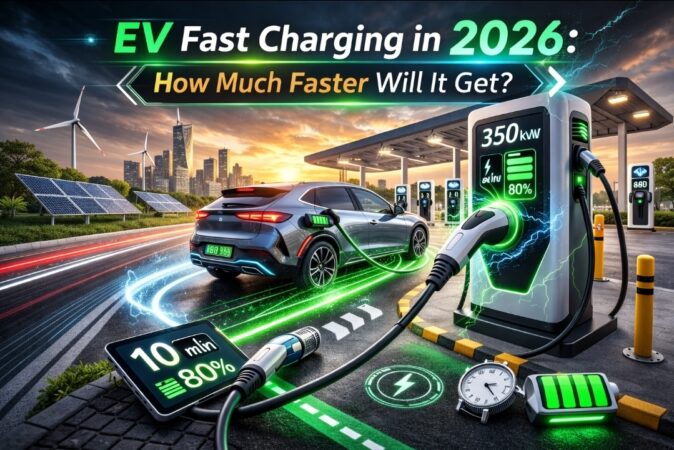
Fast Charging vs Slow Charging
- Fast chargers can top up batteries to 80% in under an hour.
- Slow chargers are more affordable but take longer.
https://www.pib.gov.in/PressReleasePage.aspx?PRID=2204635®=3&lang=1
Battery Technology & Maintenance
EV performance depends heavily on battery health. Key points:
EV fast charging in 2026
- Battery Types: Most EVs use Lithium-ion batteries for efficiency and longevity.
- Battery Lifespan: 5–8 years on average, depending on usage.
- Replacement Costs: Range from ₹50,000 to ₹1.5 lakh depending on vehicle.
- Maintenance Tips:
- Avoid full discharge regularly
- Charge in moderate temperatures
- Use recommended chargers
What to Consider Before Buying an EV in India
Home charging availabilityDaily running distance
Battery warranty (minimum 5–8 years)
Service network in your city
Fast-charging infrastructure nearby
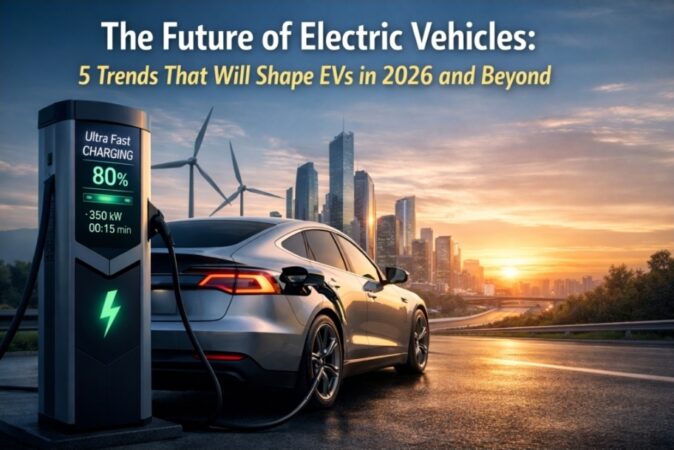
solid-state batteries in EVs
Government Incentives & Policies
The Indian government supports EV adoption with schemes like:
- FAME II (Faster Adoption and Manufacturing of Electric Vehicles) – Subsidies on scooters, bikes, and cars
- State-wise Incentives – Some states offer road tax exemptions, reduced registration fees, or subsidies
- Tax Benefits – Income tax deductions on EV loans and purchase
https://www.godigit.com/ev-guides/state-wise-ev-subsidies
Pros & Cons of EVs
Pros
- Eco-friendly, zero emissions
- Lower running costs
- Less maintenance compared to ICE vehicles
Cons
- Initial purchase price higher than petrol vehicles
- Limited charging stations in non-metro areas
- Battery replacement cost
Future of EVs in India
- Rapid expansion of EV models and charging infrastructure
- Government targets for EV adoption by 2030
- Emerging battery tech improving range and affordability
Who Should Buy
Daily commuters who travel 30–80 km per day and want to reduce fuel expenses
Families looking for a low-maintenance and cost-effective long-term vehicle
Users with home or workplace charging access
Environment-conscious buyers who want to reduce emissions
City users who mainly drive in urban traffic conditions
Buyers planning to keep their vehicle for 5 years or more to maximize savings from lower running costs.
Check latest price and offers on Amazon
Conclusion
EVs are no longer just a concept—they are becoming a practical, sustainable choice for everyday commuting in India. With a growing network of models, better charging infrastructure, government incentives, and advancing battery technology, the EV revolution is here.
TechSenseIndia will continue to provide detailed guides, reviews, and tips on EVs to help readers make informed decisions. For deeper insights, check our cluster posts on scooters, bikes, cars, and battery maintenance.
For collaborations or official enquiries: 📩 Sathish@techsenseindia.in

Sathish G is a retail and consumer electronics professional with hands-on experience in audio and large format retail operations. He writes about gadgets, EV updates, and audio products with a focus on practical buying guidance and real-world usability.