TSI-018 | TechSenseIndia
Published Date: 6 February 2026
future-of-electric-vehicles-2026
Introduction:
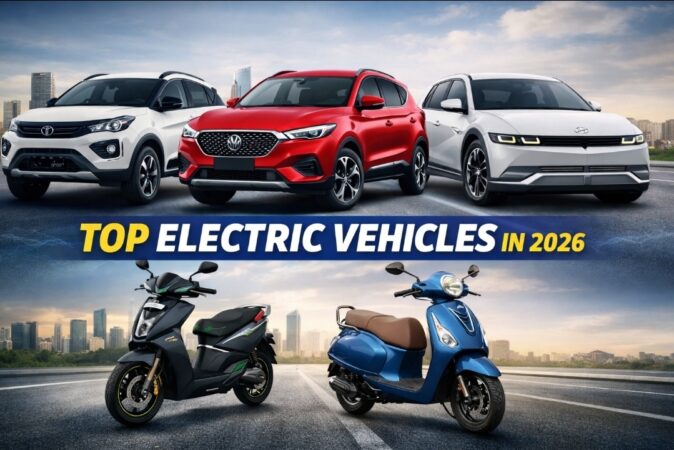
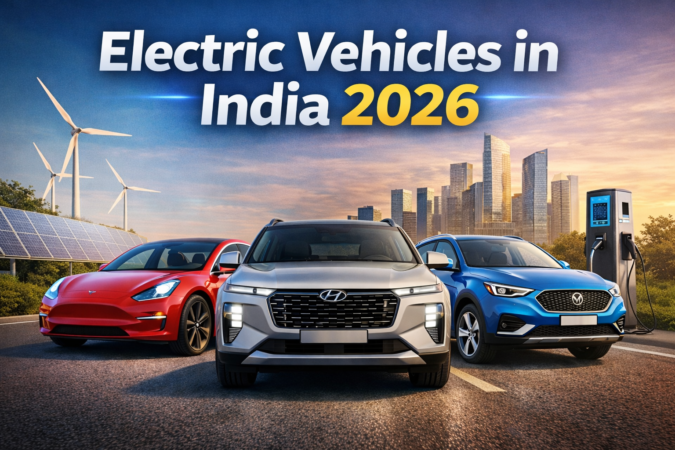
Electric vehicles are no longer a niche segment. Over the past few years, EVs have moved from early adoption to mainstream acceptance, especially in markets like India where rising fuel costs and environmental concerns are pushing more buyers toward electric mobility.
But what we are seeing today is only the beginning. The next phase of EV growth will be driven by technology improvements, better infrastructure, and smarter integration with everyday life. Automakers and technology companies are investing heavily to solve the biggest concerns buyers still have, such as range anxiety, charging time, and overall affordability.
As we move into 2026 and beyond, several key trends are expected to redefine how electric vehicles perform, how they are used, and how accessible they become.
MWC 2026 clearly shows how fast technology is evolving — from AI-powered smartphones to advanced battery systems. If you’re interested in real-world performance, check our detailed smartphone reviews and power bank guides. You can also explore how these innovations impact EV technology and audio devices like JBL speakers in our latest comparisons.
1. Longer Range with Next-Generation Batteries
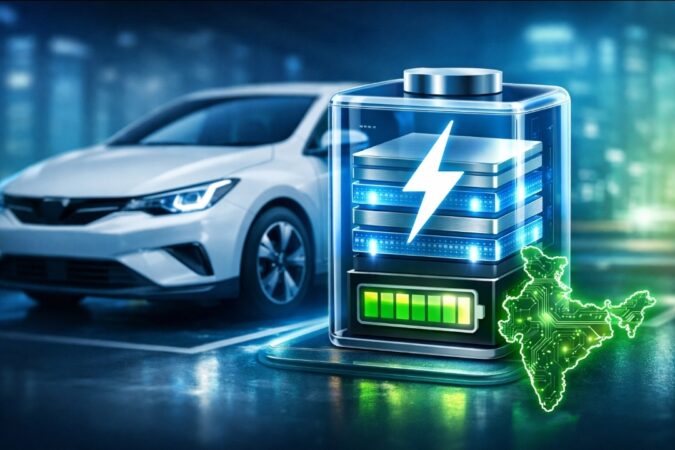
Battery technology remains the heart of every electric vehicle. One of the biggest trends shaping the future is the development of solid-state batteries and improved lithium-ion chemistry.
These new battery technologies promise:
Higher energy density
Faster charging times
Better safety
Longer lifespan
2. .Ultra-Fast Charging Infrastructure
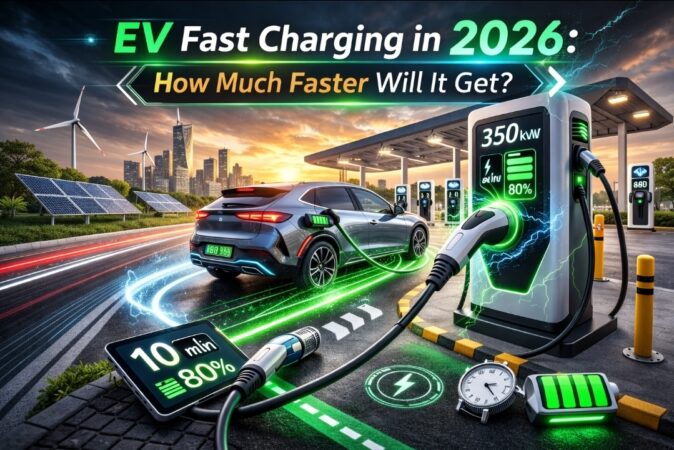
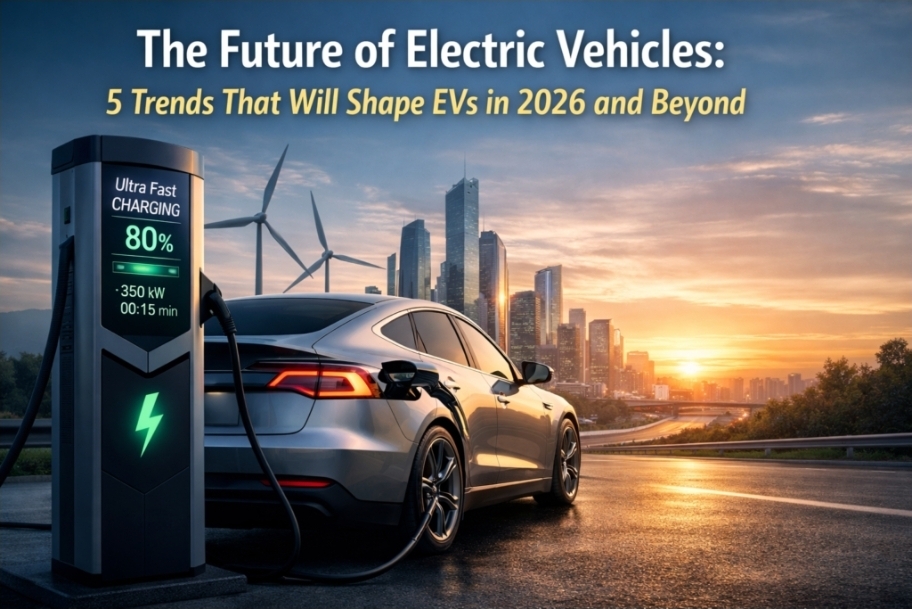
Charging speed is improving rapidly. In the next few years, ultra-fast chargers capable of delivering 100–300 km of range in 15–20 minutes will become more common.
In India, both government and private players are expanding public charging networks along highways and in urban areas. Residential and workplace charging solutions are also becoming easier to install.
One of the most exciting examples of future EV design is the Tata Avinya concept, which gives a glimpse into how next-generation electric vehicles will look and perform.
Faster charging combined with wider availability will significantly reduce range anxiety, one of the biggest barriers to EV adoption.
3. More Affordable Electric Vehicles
Cost has been a major concern for many buyers. However, battery prices are gradually coming down, and local manufacturing is helping reduce overall vehicle costs.
In 2026 and beyond, we can expect:
More electric cars under ₹10–15 lakh
Expanded budget electric scooter options
Government incentives and tax benefits
Lower running and maintenance costs compared to petrol vehicles
As upfront prices become more competitive, EVs will become a practical option for a much larger segment of buyers.
4. Smarter, Connected EVs
Future EVs will not just be electric, they will be software-driven vehicles.
Connectivity features are becoming a key part of the ownership experience.
New capabilities include:
Over-the-air (OTA) software updates
Remote vehicle monitoring via mobile appsSmart route planning based on battery level and charging stations
Advanced driver assistance systems (ADAS)
These features allow vehicles to improve over time and offer a more personalized driving experience.
5. Growth of EV Ecosystem and Energy Integration
The future of EVs is closely linked with the broader energy ecosystem. One important trend is vehicle-to-home (V2H) and vehicle-to-grid (V2G) technology.
This allows EV batteries to:
Power homes during outages
Store renewable energy from solar panels
Support the power grid during peak demand
As renewable energy adoption grows, EVs will become an important part of energy management, not just transportation.
Pros of the EV Future
Longer driving range and faster charging
Lower running and maintenance costs
Reduced emissions and environmental impact
Continuous improvement through software updates
Better driving experience with instant torque and quiet operation
Growing charging infrastructure across cities and highways
Challenges to Watch
Charging infrastructure still limited in some regions
Higher upfront cost compared to petrol vehicles in certain segments
Battery replacement costs remain a concern for long-term ownership
Dependence on charging access for people without dedicated parking
Need for faster infrastructure growth to match rising demand
These challenges are real, but steady progress in technology and infrastructure is expected to address most of them over the next few years.
Just like smartphones, EVs are becoming smarter with software updates and connected features
Why 2026 Is a Turning Point
The EV market is reaching a stage where multiple improvements are happening at the same time. Battery technology is improving, charging networks are expanding, prices are becoming more competitive, and consumer awareness is increasing.
Automakers are also shifting their long-term strategies toward electrification, with many planning to launch multiple new electric models across different price segments. This broader choice will make it easier for buyers to find an EV that fits their needs.
At the same time, government policies and environmental goals are supporting faster adoption, especially in emerging markets like India
Check latest price and offers on Amazon
Conclusion:
The EV revolution is accelerating. Staying updated with these trends ensures you understand not just the vehicles, but the broader shift toward smarter, cleaner, and more connected transportation.
In-car audio experience is also evolving — similar to portable audio innovations we’ve seen in JBL speakers.
For collaborations or official enquiries: 📩 Sathish@techsenseindia.in

Sathish G is a retail and consumer electronics professional with hands-on experience in audio and large format retail operations. He writes about gadgets, EV updates, and audio products with a focus on practical buying guidance and real-world usability.