TSI-001 | TechSenseIndia
Published on: 27 January 2026
top-electric-vehicles-2026
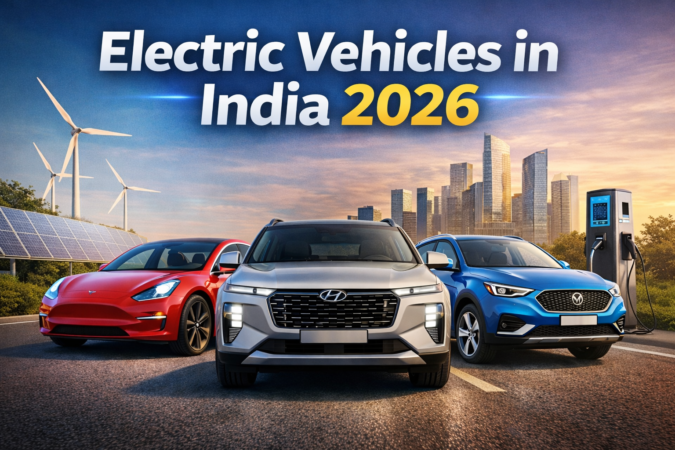
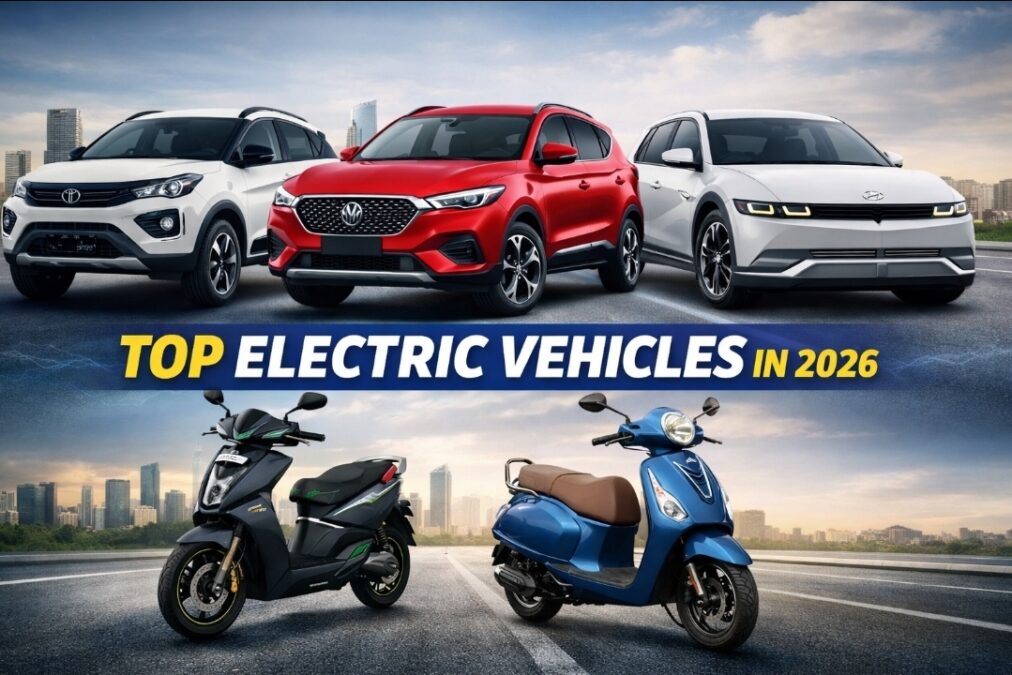
Introduction 2026 is shaping up to be a big year for electric vehicles (EVs). With longer ranges, faster charging, and smarter technology, EVs are becoming more practical and popular in India.
Best Electric Cars in India 2026 – Quick Comparison
| Model | Claimed Range (ARAI) | Battery Pack | Starting Price (Approx) |
|---|---|---|---|
| Tata Nexon EV | 450–465 km | 40.5 kWh | ₹15–18 lakh |
| MG ZS EV | 461 km | 50.3 kWh | ₹18–21 lakh |
| Mahindra XUV400 EV | 456 km | 39.4 kWh | ₹16–19 lakh |
| Hyundai Kona Electric | 452 km | 39.2 kWh | ₹23–25 lakh |
Note: Real-world range in Indian conditions may be 10–20% lower depending on driving style, traffic, and AC usage.
Here’s a roundup of the top models, their features, and what to expect in the market this year.
Top Electric Cars in India 2026 – Quick Comparison
| Model | Range (km) | Battery | Price (Approx) |
|---|---|---|---|
| Model 1 | 450 km | 60 kWh | ₹18–20 lakh |
| Model 2 | 520 km | 72 kWh | ₹22–25 lakh |
1. Latest EV Models in 2026
Tesla Model 3 (2026 update)
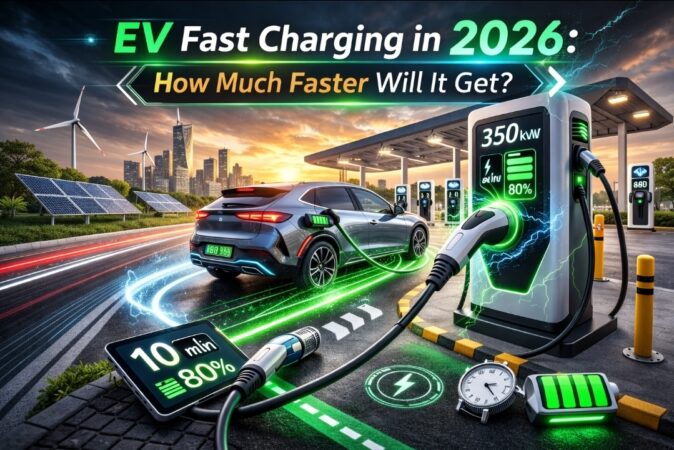
Range: ~560 kms Fast charging: 250 kW Features: Autopilot 3.0, updated interior, improved battery efficiency
Tesla Model 3 Range: ~500 kms Fast charging: 200 KW Features: Spacious SUV design, advanced infotainment, eco-friendly materials.
2: Hyundai Ioniq 7 front and rear MG ZS EV Facelift Range: ~430 kms Fast charging: 80 kW Features: New dashboard design, improved motor, better driving comfort.
Which Electric Car Should You Choose in India?
Best for City Driving
If your daily commute is under 40 km, a compact EV with 300–400 km range is more than sufficient. You save on fuel and maintenance immediately.
Best for Highway Usage
Choose models with 450 km+ claimed range and fast-charging support. This reduces range anxiety during long-distance travel.
Best Budget EV Option
Entry-level EVs under ₹18 lakh offer the best balance between affordability and running cost savings.
Best Premium EV Option
Premium models provide better battery management systems, improved cabin insulation, and advanced ADAS safety features.
3: MG ZS EV driving on road.
Key Features to Look For Range: Aim for 400–600 kms per charge Battery & Charging: Look for fast-charging compatibility Smart Tech: AI-assisted driving, connectivity apps Safety: Updated crash-test ratings, advanced driver assistance.
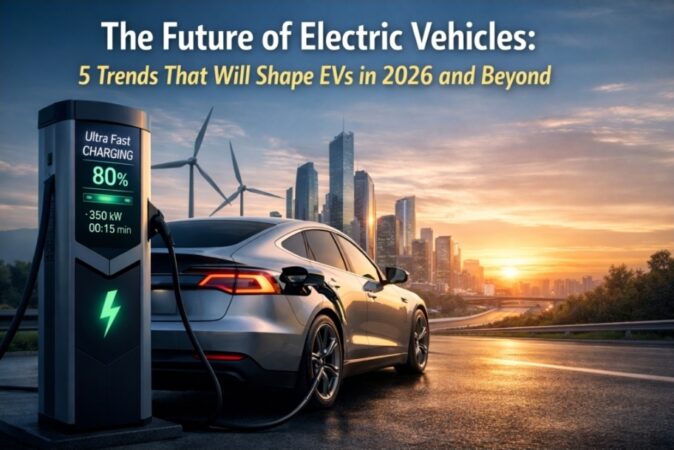
Why EVs Are Entering a New Era
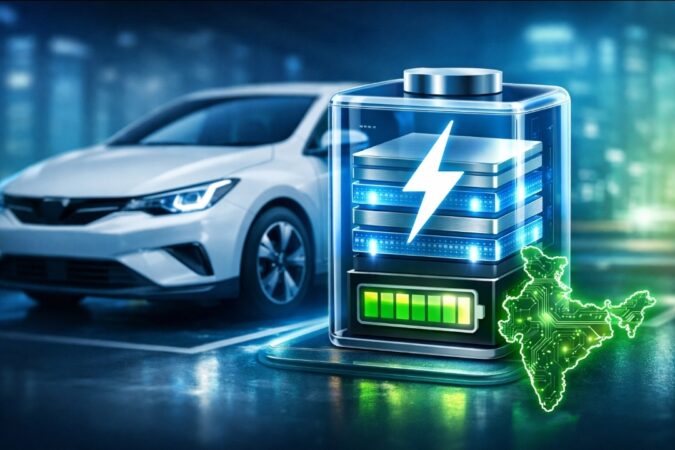
4: EV battery pack or fast charger3.
Price & Market Trends Tesla Model 3: ₹55–60 lakhs Hyundai Ioniq 7: ₹45–50 lakhs MG ZS EV facelift: ₹25–30 lakhs bEV adoption is rising; government incentives may reduce costs Charging stations are increasing in metro cities.
5: Price comparison chart or market trend graph 4. EV vs Petrol in 2026 Ownership cost: EVs cheaper in long-term running cost Maintenance: Fewer moving parts, lower service cost Infrastructure: Growing charging network makes EVs more practical
Real-World EV Ownership in India
From practical buyer conversations and retail interactions, the biggest concern among Indian customers is not range, but charging clarity and long-term battery performance.
Most EV owners report high satisfaction for city usage. The key is proper charging habits and understanding that claimed range differs from real-world performance.
Frequently Asked Questions
Which electric car has the highest range in India in 2026?
Several EVs now offer 450 km+ claimed range. Real-world performance depends on driving conditions.
Are electric cars cheaper to maintain in India?
Yes. EVs have fewer mechanical components, which reduces servicing costs compared to petrol and diesel vehicles.
How long do EV batteries last?
Most manufacturers offer 8-year battery warranties. With proper charging habits, batteries can last well beyond that period.
Is home charging enough for daily use?
For most urban users, overnight home charging is sufficient for daily commuting needs.
Pros
Lower running and maintenance costs compared to petrol/diesel vehicles
Eco-friendly with zero tailpipe emissionsGrowing government incentives and subsidies
Smooth, quiet, and comfortable driving experience
Increasing availability of charging infrastructure
Cons
Higher upfront cost compared to conventional vehicles
Limited long-distance travel due to charging points
Battery replacement can be expensive after several years
Charging time still longer than refueling petrol/diesel vehicles
Conclusion 2026 is a great year to consider switching to an EV. Whether you prioritize range, price, or smart features, there’s a model for every need. Test drives and dealer offers can help you pick the right one.
Who Should Consider an EV in 2026
EVs are ideal for city commuters, daily drivers, and environmentally conscious users. Those with access to home charging or regular short-distance travel will benefit the most. EVs are also suitable for users planning to invest in long-term savings on fuel and maintenance
Final Verdict
Electric vehicles in India in 2026 offer a promising shift toward sustainable transportation. While challenges like charging availability and upfront cost remain, for users with predictable daily driving and access to charging points, EVs can be a smart and future-ready choice.
Disclaimer All information in this blog is for educational purposes only. Prices, ranges, and features are based on manufacturer announcements and may vary.
Check latest price and offers on Amazon
For brand collaborations, product reviews, and partnerships:📩 Email: Sathish@techsenseindia.in

Sathish G is a retail and consumer electronics professional with hands-on experience in audio and large format retail operations. He writes about gadgets, EV updates, and audio products with a focus on practical buying guidance and real-world usability.